
Baldness, a hair condition that affects millions of men worldwide, is a common concern and can have a significant impact on our self-esteem.
Although this condition is influenced by genetic factors, there are a number of strategies that can be adopted to prevent or slow its progression.
Here we will learn some simple tips to avoid or reduce baldness, covering everything from genetic aspects to daily care and available treatments.
We will discuss the importance of a healthy lifestyle, the role of proper scalp care and choosing the right hair products.
Additionally, you will learn about some common myths related to hair loss and we will present available medical treatment options.
Understanding baldness and its causes
Baldness, also known as alopecia, is a common hair condition that affects men and women around the world. It is characterized by progressive hair loss, usually starting in the scalp area.
Although it is more prevalent in men, many women also face this problem.
This is a complex process influenced by a combination of genetic, hormonal and environmental factors. The most common form is androgenetic alopecia, which has a genetic and hormonal basis.
Genetic inheritance also plays an important role in determining susceptibility to hair loss, being transmitted on both the paternal and maternal sides.
Exercise to reduce your chances of going bald
A balanced diet rich in nutrients, such as vitamins, minerals and proteins, promotes hair health. Including fish, nuts, seeds, fruits and vegetables in your diet can strengthen your hair.
Furthermore, exercising regularly improves blood circulation in the scalp, stimulating hair growth.
By adopting a healthy lifestyle, you will be contributing to the health of your body and also your hair.
How to prevent baldness early
Early prevention is key when it comes to preventing hair loss.
Recognizing the first signs of hair loss and acting quickly can make a difference in the progression of baldness.
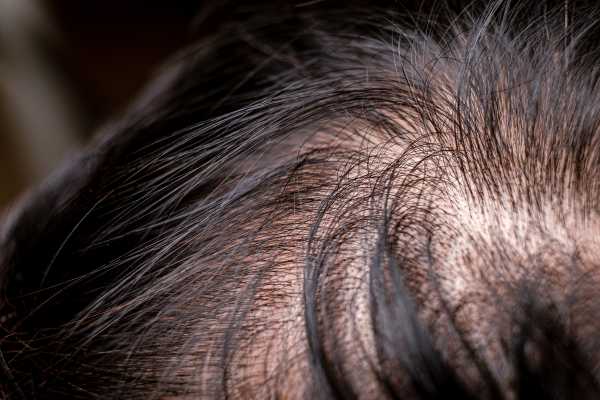
When you notice an increase in hair loss or thinning hair, it is important to seek medical help as soon as possible.
This is a gradual process and the longer time passes without intervention, the more likely it is that hair loss will become irreversible.
Medical treatment may include topical medications, oral medications, low-level laser therapy, or even hair transplantation.
Furthermore, keeping the scalp clean, avoiding the accumulation of dirt and oil, and adopting a balanced diet with essential nutrients for hair health are important practices.
Be careful, stress can make you bald early
Stress clearly contributes to the occurrence or worsening of hair loss.
When we are stressed, our body produces hormones like cortisol, which can negatively affect the hair growth cycle.
Excessive stress can lead to a type of hair loss called telogen effluvium, in which hair follicles enter the resting phase prematurely.
To avoid or reduce the effects of stress, it is important to adopt effective strategies for managing your emotions.
There are several techniques that can help deal with this, such as finding relaxing hobbies , dedicating time to self-care, and establishing healthy boundaries at work and in daily activities.
Additionally, it is important to have a proper sleep routine, as sleep deprivation can increase stress and negatively affect hair health.
Avoiding electronic devices before bed and establishing regular sleep and wake times can help promote restful sleep.
Myths about hair loss:
Hair loss is a subject that often generates many myths and misinformation. Let's explore some of the most common:
Myth: Wearing caps or hats frequently causes hair loss.
There is no scientific evidence to prove that frequent use of caps or hats causes baldness. However, it is important to ensure that the accessories are not too tight, as this can lead to breakage and weakening of the strands.
Myth: Washing your hair frequently leads to hair loss.
Washing your hair regularly does not cause hair loss. In fact, keeping your scalp clean and free from dirt and oil build-up is important for hair health.
However, it is recommended to use gentle products suitable for your hair type, avoiding the use of aggressive shampoos that can dry out the scalp.
Myth: If you pull out a gray hair, more gray hair will grow in its place.
Plucking one gray hair will not cause more gray hair to grow in the same spot. Hair color is determined by the melanocytes present in hair follicles, and plucking one hair does not affect melanin production in neighboring follicles.
Myth: Only men suffer from baldness.
Although it is more common in men, this condition can also affect women. In women, baldness tends to manifest itself as diffuse thinning across the entire head, while in men, hair loss on the forehead or crown is more common.
Myth: Cutting your hair frequently makes it grow faster and thicker.
Cutting your hair regularly does not affect hair growth or thickness.
Hair growth occurs from the root, within the scalp, and is not affected by the length of the hair at the ends.
Conclusion
Baldness is a concern for many men, but it is possible to adopt effective strategies to slow its progression and maintain hair health. Early prevention is essential, and being aware of the initial signs of hair loss allows you to seek effective treatment. In addition, a healthy diet, physical exercise and stress management are powerful allies in preserving your hair.
Don’t believe myths about hair loss, such as wearing caps or getting your hair cut too often, and maintain a scalp care routine. By incorporating these habits into your daily routine, you can improve the health of your hair and prevent premature balding.
Did you like this content? Leave your comment below.
Read also