
Tires for Electric Cars, the electric vehicle revolution is transforming the way we get around, and the tires for electric cars play a fundamental role in this scenario. With the growing demand for sustainable mobility solutions, choosing the right tires becomes even more crucial to guarantee maximum range, safety and comfort for electric vehicles.
Unlike combustion cars, electric cars have unique characteristics that require specially developed tires. The weight of the batteries, the instant delivery of torque and the search for maximum energy efficiency are some of the factors that influence the design and composition of tires for electric cars. By investing in high-quality tires specifically designed for this category of vehicles, owners can optimize the performance of their cars and contribute to a more sustainable future.
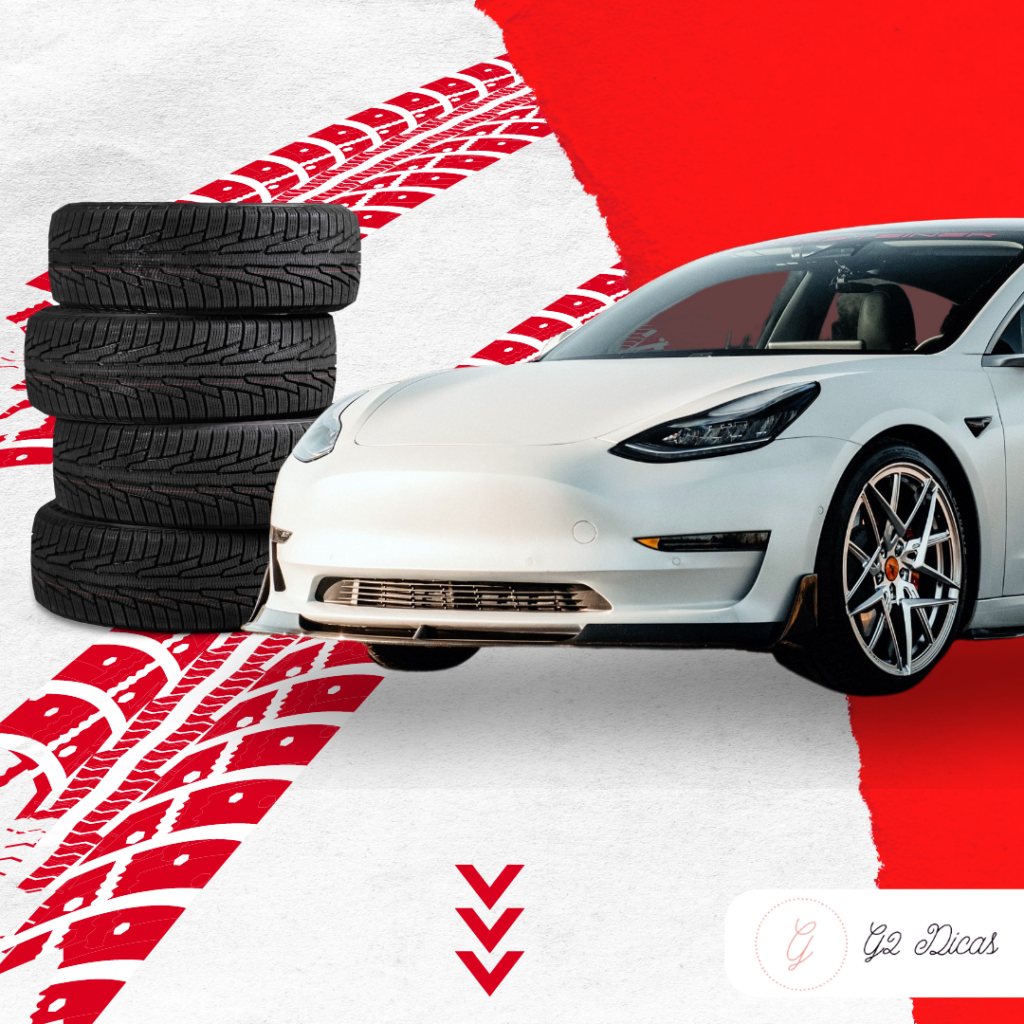
In this comprehensive guide, we will explore the main features of tires for electric cars, the differences in relation to conventional tires and how to choose the ideal model for your vehicle. In addition, we will cover topics such as the importance of proper tire maintenance to ensure safety and longevity, and how tires can influence the range and performance of electric cars.
Differences between Tires for Electric and Conventional Cars
1. Rubber Compound:
- Conventional Tires: They generally have harder rubber compounds to resist the heat generated by friction with the asphalt and to offer greater durability.
- Tires for Electric Cars: They use softer rubber compounds with lower rolling resistance, which contributes to greater energy efficiency and lower energy consumption. Furthermore, these compounds are formulated to reduce noise and vibrations, providing a quieter and more comfortable ride.
2. Rolling Resistance:
- Conventional Tires: Rolling resistance is an important factor, but not the main focus.
- Tires for Electric Cars: Rolling resistance is a critical factor, as it directly influences the vehicle's range. Tires with lower rolling resistance require less energy to rotate, increasing the distance the car can travel on a full charge.
3. Tread Design:
- Conventional Tires: The tread design is designed to offer good grip in different weather conditions and ensure good water drainage.
- Tires for Electric Cars: The tread design is optimized to reduce noise, improve energy efficiency and provide precise grip, especially at high speeds.
4. Internal Structure:
- Conventional Tires: The internal structure is designed to withstand the loads and forces generated when driving a combustion vehicle.
- Tires for Electric Cars: The internal structure is reinforced to support the additional weight of the batteries and the instantaneous torque of the electric motors. Furthermore, the housing is designed to minimize deformations and ensure greater steering precision.
5. Weight:
- Conventional Tires: The weight of the tires is an important factor, but not the main one.
- Tires for Electric Cars: Tire weight is a critical factor as it directly influences energy consumption. Lighter tires reduce the vehicle's unsprung load, improving efficiency and comfort.
6. Labeling:
- Conventional Tires: The tire label informs you about energy efficiency, wet grip and noise level.
- Tires for Electric Cars: The tire label is also important, but the emphasis is on rolling resistance, which is directly related to the vehicle's range.
7. Cost:
- Conventional Tires: They generally have a more affordable cost.
- Tires for Electric Cars: Due to the technologies and materials used, tires for trams tend to be more expensive.
In summary:
Tires for electric cars are designed to meet the specific needs of these vehicles, such as maximizing range, reducing noise and optimizing performance. By choosing suitable tires, electric car owners can enjoy a more efficient, comfortable and safe driving experience.
FAQ: Electric Car Tires
1. Why are tires for electric cars different from conventional ones?
Tires for electric cars have specific characteristics to optimize the performance and autonomy of these vehicles. They are designed to offer lower rolling resistance, greater grip and lower noise, in addition to being lighter and more resistant to support the weight of the batteries and the instantaneous torque of the electric motors.
2. How important is rolling resistance in an electric car tire?
Rolling resistance is a crucial factor in the range of an electric car. The lower the resistance, the less energy it takes to turn the tire, resulting in greater range on a single battery charge.
3. What does softer rubber compound mean in an electric car tire?
Electric tires use softer rubber compounds, which provides lower rolling resistance and greater grip on the road. This contributes to a smoother, more efficient drive.
4. What is the function of the tread pattern in an electric car tire?
The tread design of electric tires is optimized to reduce noise, improve energy efficiency and provide precise grip, especially at high speeds.
5. Why are electric tires more expensive?
Tires for electric cars are generally more expensive due to the technologies and materials used in their manufacture. The search for lower rolling resistance, greater durability and specific characteristics for electric vehicles requires more complex production processes and high-quality materials.
6. Can I use conventional tires on an electric car?
It is possible to use conventional tires on an electric car, but it is not recommended. Conventional tires are not optimized for the characteristics of electric vehicles and can compromise the vehicle's range, performance and safety.
7. How do you know if a tire is suitable for an electric car?
To choose the ideal tire for your electric car, consult the owner's manual and look for tires with an A or B energy efficiency label. Additionally, check whether the tire meets the technical specifications recommended by the vehicle manufacturer.
8. How important is it to maintain the correct tire pressure in an electric car?
Maintaining the correct tire pressure is essential to optimize the range, safety and performance of your electric car. Inadequately inflated tires increase energy consumption, reduce tire life and compromise vehicle safety.
9. How often should I change my electric car’s tires?
The useful life of tires varies according to several factors, such as the vehicle model, conditions of use and quality of maintenance. However, it is recommended to check tire wear regularly and change them when the tread depth reaches the legal limit.
10. What are the main brands of tires for electric vehicles?
There are several tire brands that offer specific models for electric cars, such as Michelin, Pirelli, Continental, Goodyear, among others. Consult a specialized professional for recommendations on brands and models suitable for your vehicle.
11. Are tires for electric cars more environmentally friendly?
Yes, tires can be considered more environmentally friendly, as they contribute to reducing CO2 emissions by optimizing the energy efficiency of vehicles. Additionally, many manufacturers are investing in technologies to develop tires with more sustainable rubber compounds.
12. How important is balancing and aligning tires on an electric car?
Tire balancing and alignment are essential to ensure even tire wear, improve drivability and increase the useful life of suspension components. In electric cars, these procedures are even more important, as they help to optimize the vehicle's range and performance.
13. What is ContiSilent technology?
ContiSilent technology is a special foam that coats the inside of the tire tread, reducing noise by up to 9 dB. This technology is especially interesting for electric cars, where engine noise is very low and tire noise becomes more noticeable.
14. Can I install winter tires on an electric car?
Yes, it is possible to install winter tires on an electric car. Winter tires offer better grip in snow and ice conditions, which is essential to ensure vehicle safety.
15. What are the benefits of using specific tires for electric cars?
Specific tires for electric cars offer several benefits, such as greater autonomy, lower energy consumption, greater comfort, better performance in different weather conditions and greater durability. Furthermore, they contribute to the reduction of CO2 emissions and a more sustainable future.