
Traditional Hair Straightening Options
1. Progressive Brush
The progressive brush is one of the most popular and effective options for those looking for long-lasting straightening. It uses chemicals such as formaldehyde or its derivatives to alter the hair structure. However, excessive use of formaldehyde can be harmful to hair health and even respiratory health.
2. Relaxation
Relaxing is a chemical process that straightens hair more gently than straightening. It uses compounds that modify the curvature of the strands, making it a more suitable alternative for those with curly or frizzy hair. Although it is less aggressive, there is still a risk of damage to the strands if it is not done correctly.
3. Flat Iron and Brush
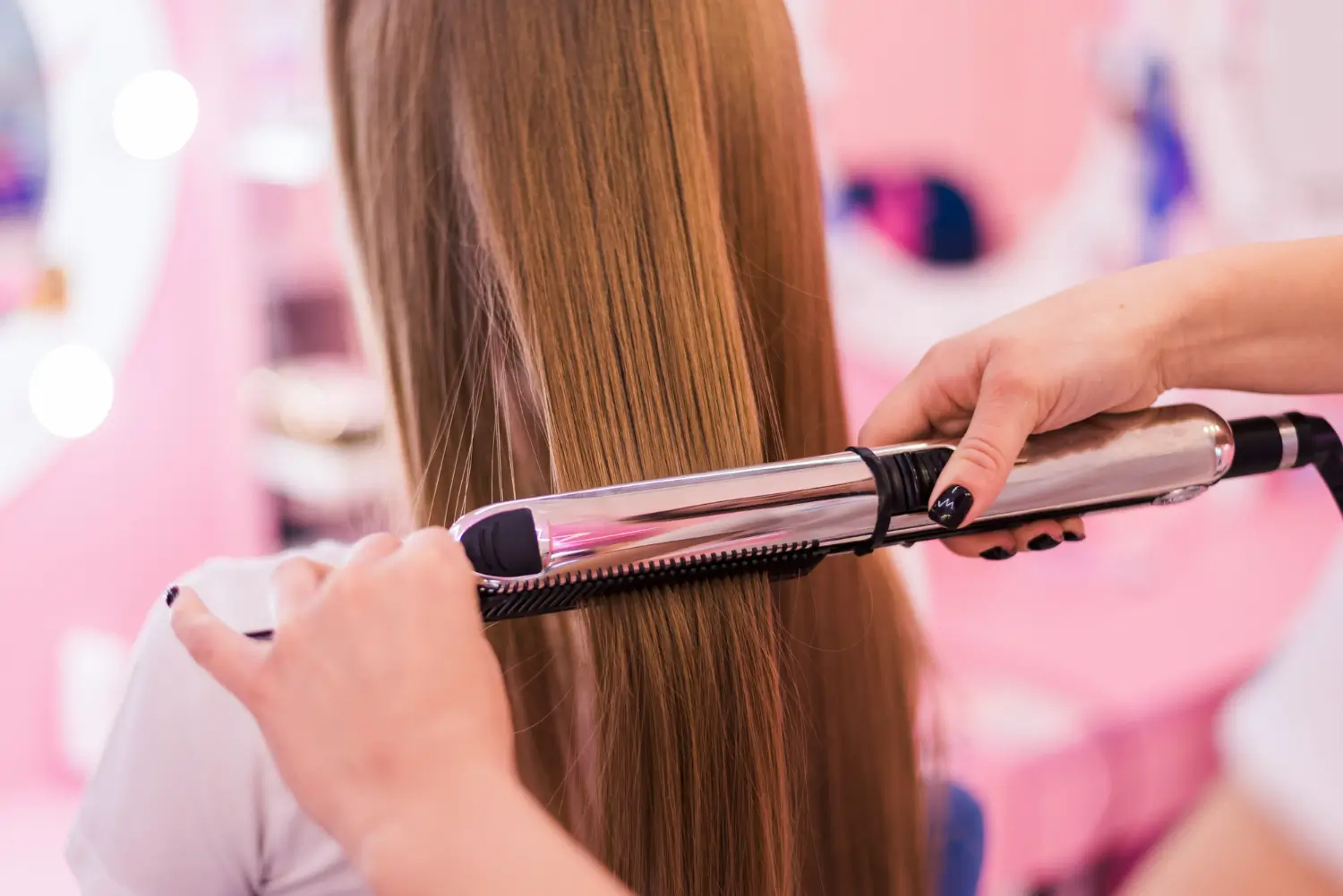
Although they are not chemical treatments, continuous use of flat irons and brushes can result in temporary straightening, but can also damage the hair over time, especially if the heat is excessive.
Safer and More Modern Options
1. Organic Straightening
Organic straightening is one of the safest and most effective options on the market. Unlike traditional chemical straightening, this method uses natural ingredients, such as oils and plant extracts, to straighten hair without damaging it. These substances help to moisturize the strands while promoting a smooth effect.
2. Smoothing with Tannic Acid
Tannic acid straightening is a newer option that stands out for its safety and effectiveness. This treatment uses tannic acid to smooth the hair structure without damaging the strands. It is considered less aggressive compared to traditional straightening, making it a good alternative for those looking for a smooth effect without damaging hair health.
3. Peptide-Based Straightening
Peptide straightening uses proteins that repair and strengthen the hair while promoting straightening. This option is ideal for those with sensitive or damaged hair, as the treatment not only straightens, but also provides hydration and strengthening to the hair.
What is Hair Straightening?
Hair straightening is the process used to modify the structure of the hair, leaving it smooth, frizz-free and with healthy appearance. This procedure can be performed using chemical or natural techniques. While traditional methods use aggressive chemicals, new alternatives seek to offer safer options with less impact on the hair.
There are currently several techniques available, ranging from temporary to permanent straightening. The evolution of products and technology has also brought more efficient and less damaging options to the hair. However, it is important to understand the differences between them and choose the one that best suits your hair type and needs.
Emerging Technologies in Hair Straightening
In recent years, several innovative technologies have emerged that aim to ensure straightening without the damage typical of traditional processes. Some of these technologies include the use of nanoparticles, lasers and infrared, which help to straighten hair without damaging its structure. These techniques are mainly recommended for those looking for faster and more efficient straightening, with less risk of damage to the hair.
How to Choose the Best Option
Choosing the best straightening technique depends on several factors, such as hair type, hair health and the durability of the desired effect. For more damaged hair or hair that tends to dry out, organic options and those with peptides are recommended. For those looking for faster and longer-lasting results, straightening treatments based on tannic acids or progressive treatments with a lower concentration of formaldehyde may be a good choice.