
Practical Advice for Everyday Life
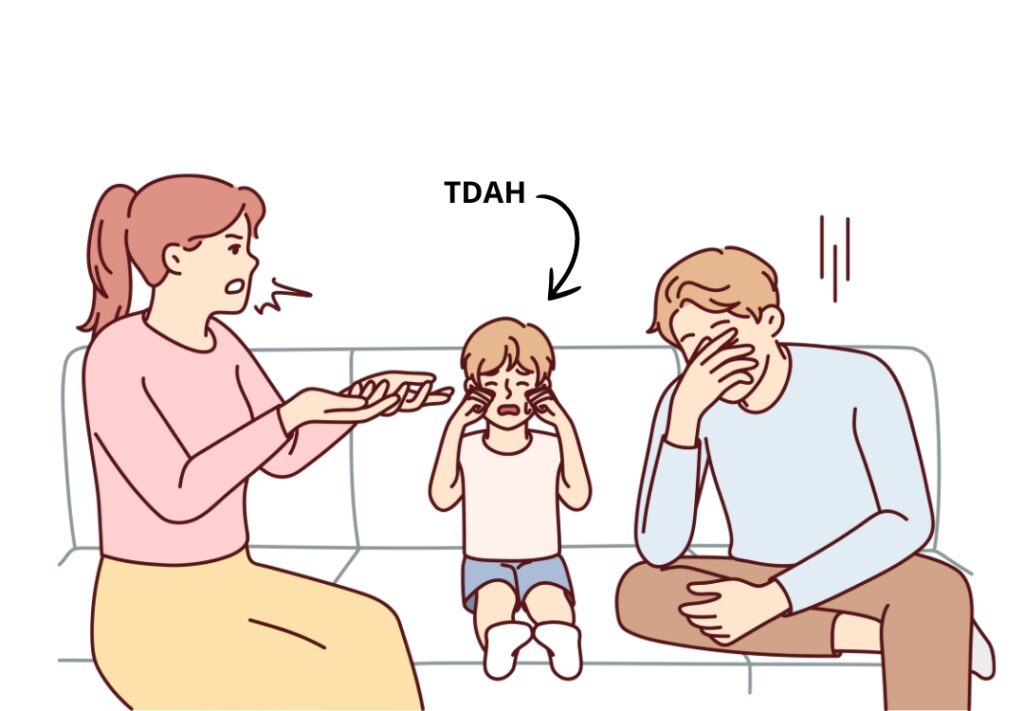
Tips for Managing ADHD in Children and Adults
Attention Deficit Hyperactivity Disorder (ADHD) is a neuropsychiatric condition that affects both children and adults.
Characterized by symptoms such as inattention, hyperactivity and impulsivity, ADHD can significantly impact the daily lives of those who have it.
Controlling this condition is essential to improving the quality of life and well-being of affected individuals.
It's important to remember that ADHD is not an insurmountable obstacle. With the right strategies, you can manage your symptoms and achieve a balanced life.
Here, we'll explore a range of practical tips and advice to help both children and adults manage ADHD.
Read on to discover how to effectively deal with ADHD and implement positive changes in your life or the life of someone close to you.
We will cover everything from diagnosis to daily strategies, ensuring you have the information you need to face this condition with confidence and clarity.
Understanding ADHD
Attention Deficit Hyperactivity Disorder (ADHD) is a neuropsychiatric disorder that affects a person's ability to concentrate and control impulses.
ADHD manifests itself in different ways, including inattention, hyperactivity, and impulsivity. These symptoms can vary in intensity and impact depending on the person's age and environment.
It is essential to understand that ADHD is not the result of a lack of effort or discipline, but rather a recognized medical condition.
Diagnosis and Treatment
The diagnosis of ADHD is made by healthcare professionals, usually after a detailed assessment that includes analysis of symptoms and behaviors.
There is no single test to diagnose ADHD, but a combination of clinical interviews, questionnaires and, in some cases, neuropsychological exams can help identify the disorder.
Treatments for ADHD include a combination of medication interventions and behavioral therapies.
The most common medications are stimulants, such as methylphenidate and amphetamines, which help improve concentration and reduce impulsivity.
Additionally, therapies such as Cognitive Behavioral Therapy (CBT) can be effective in teaching coping strategies and improving organization and time management.
Strategies for Children with ADHD
Managing ADHD in children involves a multifaceted approach that includes support at home and at school. Here are some practical tips:
Establish routines: Children with ADHD benefit from a consistent daily routine. Set fixed times for waking up, eating, doing chores and sleeping.
Create an organized study environment: A distraction-free space can help your child focus better on schoolwork.
Use visual reminders: Chore charts and checklists can help children remember their responsibilities.
Positively reinforce: Praise and rewards for desired behaviors can encourage repetition of those behaviors.
Collaboration with the school: Work together with teachers to implement support strategies, such as extra time for assignments or tests, and adaptations to the school environment.

Strategies for Adults with ADHD
Adults with ADHD face different challenges than children, often related to work, relationships and managing daily responsibilities. Here are some tips to help:
Planning and organization: Use organization apps or calendars to keep track of appointments and tasks.
set realistic goals: Break down large tasks into smaller, more manageable steps.
avoid distractions: Identify and minimize sources of distraction in your work or study environment.
Practice time management techniques: Techniques like Pomodoro (25 minutes focused on tasks and 5 minutes of rest) can help maintain focus and productivity.
Take care of mental health: Regular physical activity, a balanced diet and adequate sleep are fundamental to general well-being and the management of ADHD.
Educational Support for Teachers
Teachers play a crucial role in supporting students with ADHD. Some strategies that can be implemented include:
Adapting the classroom environment: Placing the student in a place with fewer distractions can improve concentration.
Clear and direct instructions: Provide simple and direct guidance, ensuring that the student understands what is expected.
Encouraging movement: Allow short breaks so the student can move around, which can help reduce restlessness.
Positive and constructive feedback: Positively reinforce appropriate behaviors and offer support to improve areas of difficulty.
Collaboration with parents: Maintain open and regular communication with parents to align strategies and expectations.
The Role of the Family
Family support is essential for successful control of ADHD. Parents and family members can:
Participate in support groups: Support groups for parents can offer emotional support and practical tips.
Educate yourself about ADHD: Knowing more about the disorder can help you better understand the challenges and needs of individuals with ADHD.
Establish clear limits: Setting clear rules and expectations can help a child or adult with ADHD understand what is expected of them.
Promote a healthy lifestyle: Encourage healthy habits, such as a balanced diet and regular exercise.
Maintain patience and understanding: ADHD can be frustrating for everyone involved; remaining calm and understanding is essential.
Tips for Mental Health Professionals
Mental health professionals working with individuals with ADHD should consider the following approaches:
behavior therapy: Cognitive Behavioral Therapy (CBT) can be particularly effective in helping patients develop coping strategies.
Education about the condition: Provide information and resources to help patients better understand ADHD and its implications.
Development of social skills: Social skills training can help improve patient interaction and communication.
Medication monitoring: Work closely with psychiatrists to adjust and monitor medication, ensuring effectiveness and minimizing side effects.
Ongoing support: Offer regular follow-up to assess progress and adjust strategies as needed.
Conclusion:
To conclude the topic “Tips for Controlling ADHD in Children and Adults”, we can conclude that controlling ADHD is a continuous process that requires effort and adaptation both on the part of the person with the disorder and those around them.
With the right approach, it is possible to significantly improve the quality of life and achieve success in various areas.
Whether through educational strategies, family support, or specialized treatments, there are many ways to manage ADHD effectively.
Common questions:
What to do to reduce ADHD?
Decreasing the symptoms of ADHD can be achieved through a combination of treatments. This includes the use of medications such as stimulants prescribed by doctors, behavioral therapies, regular exercise, a balanced diet and establishing a structured routine. Practicing mindfulness techniques and using to-do lists can also help improve focus and reduce disorganization.
How to stabilize ADHD?
Stabilizing ADHD involves implementing consistent strategies to manage symptoms. This may include following a treatment plan recommended by a healthcare professional, which may involve medication, behavioral therapy, and educational support. Additionally, creating a predictable environment and establishing daily habits can help reduce inconsistency and improve symptom control.
How can a person with ADHD concentrate?
People with ADHD can improve concentration through several techniques, such as breaking large tasks into smaller parts, using timers for short work sessions (like the Pomodoro technique), eliminating distractions from the workplace, and taking regular breaks. Using to-do lists and organization apps can also help you stay focused.
How to control ADHD at home?
Managing ADHD at home involves creating a structured routine, using visual reminders, establishing an organized space for activities and studies, and applying positive reinforcement techniques for desired behaviors. Furthermore, it is important to maintain open communication and emotionally support the person with ADHD, promoting a calm and understanding environment.
What are the 4 types of ADHD?
The four types of ADHD are:
- Predominantly inattentive ADHD: Mainly characterized by difficulties in maintaining attention and following instructions.
- Predominantly hyperactive-impulsive ADHD: It manifests itself through hyperactivity and impulsive behaviors, with fewer problems of inattention.
- Combined ADHD: It combines significant symptoms of inattention, hyperactivity and impulsivity.
- Unspecified ADHD: When symptoms do not fit neatly into the previous three types, but still cause significant difficulties.
How to help a person with ADHD in crisis?
These Tips for Managing ADHD in Children and Adults can help a person with ADHD in crisis, but it is important to remain calm and offer emotional support. Reduce surrounding distractions, help the person focus on a simple, easily performed task, and offer breathing or relaxation strategies to help calm down. If the crisis is severe or frequent, it is essential to seek guidance from a mental health professional.
What is the worst phase of ADHD?
The most challenging phase of ADHD can vary from person to person, but adolescence is often considered a difficult phase due to hormonal changes, increased academic and social demands, and the search for independence. However, adults with ADHD may also face significant challenges related to work and daily responsibilities.
What can make ADHD worse?
Factors that can worsen ADHD symptoms include stress, lack of sleep, poor diet, disorganized or chaotic environments, and lack of routine. The use of substances such as alcohol and drugs can also worsen symptoms.
What's the good thing about having ADHD?
While ADHD can present challenges, there are positives as well. People with ADHD are often creative, have a lot of energy, are able to hyperfocus on tasks of interest, and possess unusual problem-solving skills. The ability to think “outside the box” and the energy to explore new ideas can be significant advantages.
How to calm the mind of a person with ADHD?
To calm the mind of someone with ADHD, mindfulness and meditation techniques can be helpful. Regular physical activity, a healthy sleep routine, and engaging in relaxing hobbies can also help. Creating a calm, structured environment at home is key to reducing stress and mental agitation.
How to train the brain of a person with ADHD?
Training the brain of a person with ADHD involves practicing cognitive exercises, such as puzzles, memory games, and activities that require planning and organization. Cognitive Behavioral Therapy (CBT) can also be effective in helping to develop new ways of thinking and dealing with challenging situations.
What is the best exercise for people with attention deficit disorder?
Aerobic exercise, such as running, cycling and swimming, is especially beneficial for people with ADHD as it helps release endorphins, improves mood and increases the ability to concentrate. Activities that require coordination and concentration, such as yoga and martial arts, are also recommended.
Is it possible to treat ADHD without medication?
Yes, it is possible to manage ADHD without the use of medication. Behavioral interventions, time management strategies, mindfulness techniques, and lifestyle changes such as a healthy diet and regular exercise can be effective. However, it is important to discuss these options with a healthcare professional to determine the best approach in each case.
How to reduce ADHD naturally?
Tips for Controlling ADHD in Children and Adults can help to greatly reduce symptoms naturally and without medication, although it is also recommended to adopt a diet rich in nutrients, practice physical activity regularly, maintain a healthy sleep routine, and reduce the consumption of processed foods and refined sugars. Relaxation techniques such as meditation and yoga can also be helpful.
When is ADHD serious?
ADHD is considered serious when symptoms significantly interfere with daily life, affecting school or work performance, relationships and overall quality of life. In these cases, it is important to seek specialized treatment to help manage symptoms effectively.
What replaces Ritalin naturally?
Some natural approaches that can help replace or complement the use of Ritalin include supplements such as omega-3, zinc and magnesium, as well as dietary changes such as increasing the consumption of proteins and whole foods. Mindfulness practices, regular exercise and stress management techniques can also be beneficial.
What is the most modern medicine for ADHD?
In addition to traditional stimulants such as methylphenidate (Ritalin) and amphetamines, non-stimulant medications such as atomoxetine (Strattera) and guanfacine are modern options that are gaining popularity. The choice of medication must be made with the guidance of a healthcare professional, considering the individual needs and characteristics of each patient.
Are people with ADHD entitled to any government benefits?
In Brazil, people with ADHD may have access to benefits such as tax exemption when purchasing adapted vehicles, depending on the degree of disability. Additionally, there are social assistance programs that can offer support, such as the Continuous Payment Benefit (BPC) for people with disabilities. It is important to consult a lawyer or social worker for detailed and specific information.
Did you like the Tips for Controlling ADHD in Children and Adults? So leave your comment and also follow the related articles, there are many useful tools shared to keep your mental health balanced or even help a friend or family member who is going through this difficulty. Enjoy reading!