
Proven efficient tool!
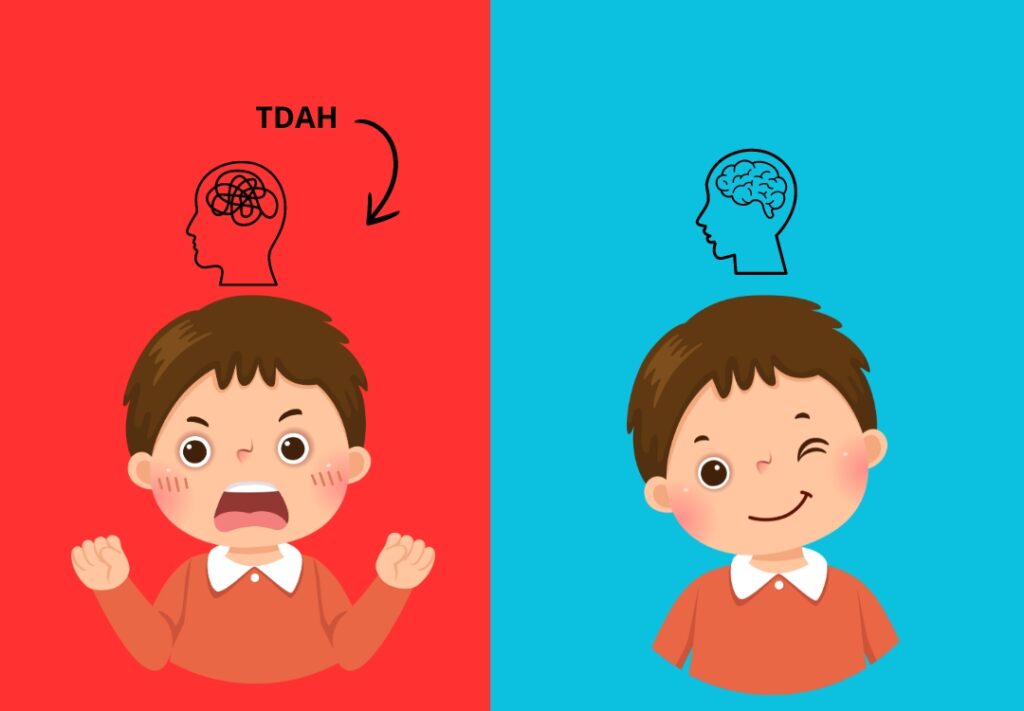
Mindfulness Techniques Help Control ADHD
In recent years, mindfulness has gained popularity as an effective practice for improving mental and emotional well-being.
This technique, which involves being present in the moment and paying attention to experiences without judgment, has been shown to be particularly useful for people with Attention Deficit Hyperactivity Disorder (ADHD).
For those who face daily challenges with focus, impulsivity, and hyperactivity, mindfulness offers a way to cultivate calm and clarity.
ADHD is a condition that affects millions of people around the world, impacting both children and adults.
Symptoms can vary, but generally include difficulties maintaining attention, controlling impulses, and regulating emotions.
These difficulties can make everyday life more complicated, affecting personal, academic and professional life.
Fortunately, mindfulness emerges as a powerful tool to help manage these symptoms, offering a more mindful and balanced approach to dealing with the challenges of ADHD.
If you're a concerned parent, an adult dealing with ADHD, a mental health professional, or simply someone interested in exploring the benefits of mindfulness, read on to discover how this practice can transform your life.
In this article, we will explore what ADHD is, what mindfulness is, how it can be implemented into your routine and the benefits proven by scientific studies.
What is ADHD?
Attention Deficit Hyperactivity Disorder (ADHD) is a neurological condition characterized by symptoms of inattention, hyperactivity and impulsivity.
These characteristics can vary in intensity and significantly impact the daily lives of affected individuals.
ADHD usually manifests itself in childhood, but its effects can persist into adulthood, affecting academic and professional performance and interpersonal relationships.
There are three subtypes of ADHD: predominantly inattentive, predominantly hyperactive-impulsive, and combined.
In the first, the main characteristic is the difficulty in maintaining attention and concentration.
In the second, hyperactive and impulsive behaviors predominate. The combined subtype is a mix of the two.
People with ADHD may have difficulty organizing tasks, following instructions, and completing activities, which can lead to frustration and low self-esteem.
What is mindfulness?
Mindfulness, or full attention, is a practice that involves being aware and present in the current moment, observing thoughts, feelings and bodily sensations without judgment.
Originating in Eastern meditative traditions, especially Buddhism, mindfulness has been adapted and integrated into therapeutic and mental health contexts in the West.
The practice can be cultivated through formal meditation or everyday activities carried out with full attention.
The essence of mindfulness is acceptance and awareness. Instead of getting lost in thoughts about the past or future, or automatically reacting to external stimuli, mindfulness invites people to observe their internal and external experiences with a stance of curiosity and compassion.
This practice can help you develop greater self-understanding and respond to situations in a more balanced way.
Benefits of mindfulness for ADHD
Mindfulness can offer numerous benefits for people with ADHD. Firstly, it helps to increase the ability to concentrate and focus, which is particularly useful for those who have difficulty maintaining attention.
Regular mindfulness practice can train the mind to return to the present moment whenever it becomes distracted, improving your ability to sustain attention on important tasks.
Additionally, mindfulness can reduce impulsivity. By increasing awareness of thoughts and emotions, people can learn to pause and reflect before acting, rather than reacting impulsively.
This is crucial for managing behaviors that may be harmful or inappropriate.
Mindfulness also helps regulate emotions, allowing people to better deal with feelings of frustration, anxiety, and irritation, which are common in individuals with ADHD.
Practical mindfulness techniques
There are several mindfulness techniques that can be easily integrated into your daily routine. Here are some of the most effective:
Breathing meditation: Focus on your breathing, feeling the air entering and leaving your body. This helps to anchor the mind in the present and reduce distraction.
Body scanning: Pay attention to each part of your body, noticing sensations without trying to change them. This increases the mind-body connection and body awareness.
Observation of thoughts: Observe your thoughts as if you were watching clouds pass across the sky. This practice helps to develop a perspective of non-identification with thoughts.
Mindfulness on the move: Activities such as walking, eating or washing dishes can be done with full attention, focusing on the sensations and movements involved.
Mindfulness journal: Writing about your mindfulness experiences can help you reflect and integrate the practice into your daily life.
Implementing mindfulness in everyday life
Integrating mindfulness into your daily routine can be simple and accessible. Start by setting aside a few minutes a day to practice breathing meditation or body scanning.
It is not necessary to dedicate long periods; even five minutes can be beneficial. The important thing is to be consistent and find a time of day that works best for you.
Another strategy is to practice mindfulness in everyday activities, such as taking a shower or preparing a meal.
By doing these activities mindfully, you can turn ordinary moments into opportunities to practice mindfulness.
Additionally, considering participating in mindfulness groups or workshops can provide support and guidance, especially for beginners.
Studies and evidence
The effectiveness of mindfulness in controlling ADHD has been supported by numerous scientific research.
Studies show that regular mindfulness practice can improve attention, reduce impulsivity and help with emotional regulation.
A meta-analysis of several research studies revealed that mindfulness is an effective intervention for reducing ADHD symptoms in both children and adults.
Additionally, mindfulness has been linked to a decrease in stress and anxiety levels, which are commonly elevated in people with ADHD.
The practice also promotes greater self-compassion, which can be especially beneficial for those who feel overwhelmed or frustrated by their difficulties.
These benefits make mindfulness a valuable tool in managing ADHD.
Conclusion:
We can close the topic “Mindfulness Techniques Help to Control ADHD” by concluding that mindfulness offers a powerful and accessible approach to help control ADHD.
By increasing awareness, improving focus, and promoting emotional regulation, mindfulness can transform the way people with ADHD deal with their daily challenges.
If you are a parent, adult with ADHD, mental health professional, educator, or someone interested in mindfulness, consider exploring and integrating this practice into your life.
Common questions:
What is the most recommended therapy for ADHD?
Cognitive behavioral therapy (CBT) is widely recommended to treat ADHD. It helps modify thought and behavior patterns, improve emotional control and develop organization and planning skills. Other types of therapy, such as behavioral therapy and family therapy, may also be helpful, depending on individual needs.
What is the best exercise for ADHD?
Aerobic exercise, such as running, swimming, cycling, and brisk walking, is effective in improving ADHD symptoms. These exercises help increase concentration, reduce impulsivity and improve mood by releasing neurotransmitters such as dopamine and serotonin.
How to relax your ADHD mind?
To relax the mind with ADHD, mindfulness, meditation and deep breathing techniques are effective. Activities such as yoga and tai chi can also help calm the mind and reduce stress. Additionally, creating a regular sleep routine and avoiding stimulants such as caffeine can contribute to a calmer mental state.
How to Meditate with ADHD?
To meditate with ADHD, start with short 5-10 minute sessions and gradually increase the time. Focus on your breathing or a mantra to help you stay focused. Guided practices, like meditation apps, can be helpful. Accept distractions without judgment and smoothly return to your chosen focus.
What is the most effective treatment for ADHD?
The most effective treatment for ADHD is usually a combination of medication and behavioral therapy. Stimulant medications such as methylphenidate (Ritalin) and amphetamines are often prescribed along with CBT to develop symptom management skills.
What is the gold standard treatment for ADHD?
The gold standard treatment for ADHD is the use of stimulant medications, such as methylphenidate or amphetamines, combined with cognitive behavioral therapy (CBT). This integrated approach is considered the most effective for managing ADHD symptoms.
How to reduce ADHD naturally?
To reduce ADHD symptoms naturally, adopt a balanced diet rich in protein, omega-3s and essential nutrients. Exercise regularly, maintain a consistent sleep routine, and use mindfulness techniques and meditation. Reducing your consumption of sugar and processed foods can also be beneficial.
What calms ADHD?
Activities such as meditation and Mindfulness Techniques to Help Control ADHD can help a lot, and physical exercise, yoga, and deep breathing techniques can help calm a person with ADHD. Creating an organized and calm environment, as well as establishing clear routines, can also help reduce anxiety and stress.
How to stimulate the brain with ADHD?
To stimulate the ADHD brain, engage in activities that challenge the mind, such as puzzles, reading, and strategy games. Regular physical exercise, a healthy diet, and mindfulness practices are also important for keeping the brain active and healthy.
How to increase dopamine in ADHD?
Dopamine can be increased naturally through physical exercise, a high-protein diet, and activities that provide pleasure and reward, such as hobbies or music. Practicing meditation and mindfulness can also help regulate dopamine levels.
What improves ADHD concentration?
To improve concentration with ADHD, practice regular physical exercise, use mindfulness techniques, and establish clear routines. Break large tasks into small steps and use timers to help you focus for short periods. Distraction-free environments are also essential.
How to silence the ADHD mind?
Silencing the mind with ADHD can be achieved through mindfulness, meditation and deep breathing techniques. Establishing a proper sleep routine and avoiding stimulants like caffeine can also help. Furthermore, creating a calm and organized environment helps to reduce mental agitation.
What replaces natural Ritalin?
Some natural alternatives to Ritalin include omega-3 supplements, which can improve cognitive function, and herbs such as ginkgo biloba and ginseng, which can help increase concentration. However, it is crucial to consult a healthcare professional before starting any supplement or alternative treatment.
Is it possible to treat ADHD without medication?
Yes, it is possible to treat ADHD without medication and the topic “Mindfulness Techniques Help to Control ADHD” can help a lot with this, in addition to behavioral therapies, mindfulness techniques, physical exercises, and dietary adjustments are effective non-pharmacological strategies. However, for some people, medication can be an important part of treatment and should be discussed with a healthcare professional.
What is the best nootropic for ADHD?
Among nootropics, L-theanine, combined with caffeine in low doses, has shown potential to improve attention and focus. Rhodiola rosea and Panax ginseng are also options that can help. However, it is essential to consult a healthcare professional before using any nootropics, especially to treat ADHD.
What is the most modern medicine for ADHD?
Among the newer ADHD medications are extended-release stimulants, such as lisdexamfetamine (Vyvanse) and extended-release methylphenidate (Concerta). These medications offer more consistent symptom control throughout the day.
Which floral is good for ADHD?
Bach flower remedies such as Impatiens and Clematis are often recommended for people with ADHD as they can help promote patience and focus. However, it is important to remember that the effectiveness of Bach flower remedies is not scientifically proven and must be complemented with other forms of treatment.
Are people with ADHD entitled to any government benefits?
In many countries, people with ADHD may be entitled to government benefits such as educational support, workplace accommodations, and in some cases, financial assistance. In Brazil, for example, it is possible that students with ADHD are entitled to measures such as additional time on tests. It is important to check local laws and regulations to understand the rights and benefits available.
What is the best profession for those with Attention Deficit?
The best career for someone with ADHD varies depending on individual interests and abilities. However, areas that allow for creativity, task variety and flexibility, such as arts, information technology, entrepreneurship and sales, may be particularly suitable. Professions that allow movement and social interaction can also be good choices.
If you liked our article about Mindfulness Techniques Help to Control ADHD, leave your comment and also follow the related articles, we have many tips shared to help combat this topic that is still little understood. Enjoy reading!